
Reviewed · TOURS IN GRAN CANARIA
Gran Canaria Tour: Past and Present
Gran Canaria’s story is written in its terrain: cave homes in Guayadeque, old manor houses in Teror, farms in the midlands and volcanic rock at Roque Nublo. This full-day bus tour links those places into one long look at life on the island, from its Indigenous past to its present-day villages.
I like that the route pairs Guayadeque’s pre-Hispanic cave dwellings with the agricultural towns of the midlands, rather than sticking to beach resorts. I also like the wide range of scenery: banana plantations, high-country views and the dramatic Fataga canyon all feature in the day.
The trade-off is time. You cover a lot of ground in eight hours, and multiple resort pickups can add to the bus time. The stops may feel brisk, especially if you want a leisurely visit to Teror or a long lunch.
Key points
- Guayadeque is the history anchor: See a valley where cave homes have been used since pre-Hispanic times.
- The route climbs into the midlands: Valleseco offers time to wander and buy lunch in a fertile farming area.
- Roque Nublo is a major scenic stop: The volcanic formation is sacred to the island’s ancient inhabitants and a present-day symbol of Gran Canaria.
- The day covers several kinds of scenery: Expect village streets, banana plantations, mountain roads and the Fataga canyon.
- The guide’s languages matter: Tours are offered in Spanish, English and German, and guides such as Tom have led groups in multiple languages.
- Lunch is not included: Plan to pay for your own meal and drinks during the Valleseco break.
A full-day route from village to mountain
This is a broad survey of Gran Canaria, not a slow visit to one town. The route takes you from the south toward the island’s interior, with stops that show how geography shaped local life. You’ll see settlements, cultivated land and striking volcanic formations in a single day.
The tour lasts about eight hours and includes pickup from Playa del Inglés, Maspalomas, Costa Meloneras, San Agustín, Bahía Feliz, Taurito and Puerto Mogán. That makes it handy if you’re staying in one of those resorts, but pickups and drop-offs across different areas can lengthen the day. One account describes nearly three hours spent on those transfers and a return later than expected, so leave some flexibility in your evening plans.
A bus is a sensible way to link these far-flung stops, especially on narrow mountain roads. The route can cover more than 200 kilometres, and the bus driver has to handle tight spaces and winding stretches. You’ll see scenery from either side of the bus, but a window seat is still a nice bonus.
Other things people book around Gran Canaria:
- Poema del Mar Skip-the-Line Ticket
★ 4.8 · 3,856 reviews - Puerto de Mogán: Submarine Tour
★ 4.4 · 3,792 reviews - Maspalomas: Guided Camel Ride in the Maspalomas Sand Dunes
★ 4.4 · 3,690 reviews
Agüimes and Guayadeque’s cave homes
Agüimes provides an introduction to the island’s older settlements. The tour connects the town with the area’s Indigenous past, then heads to Guayadeque Valley, a protected Natural Monument known for its cave dwellings. Some of these homes have been inhabited since pre-Hispanic times, giving the valley a direct link to the island’s earliest communities.
The appeal here is not just the unusual shape of the homes. The valley helps you picture how people adapted to the terrain, using caves as shelter within a dramatic natural setting. That context gives the later village and farming stops more meaning: Gran Canaria’s history is not confined to a museum display.
You’ll want comfortable shoes for getting around at the stops. The tour information does not spell out the length of each walk or how much time you’ll spend in Guayadeque, so if you prefer an unhurried visit, keep in mind that this is one stop among many.
Banana country and Teror’s Canarian homes
On the way toward Teror, the bus passes panoramic views of Arucas and its banana plantations. It’s a useful reminder that the island is more than a holiday coast: agriculture remains part of the view and the local economy. From the bus, you get a broad sense of how cultivated land sits alongside the island’s steeper terrain.
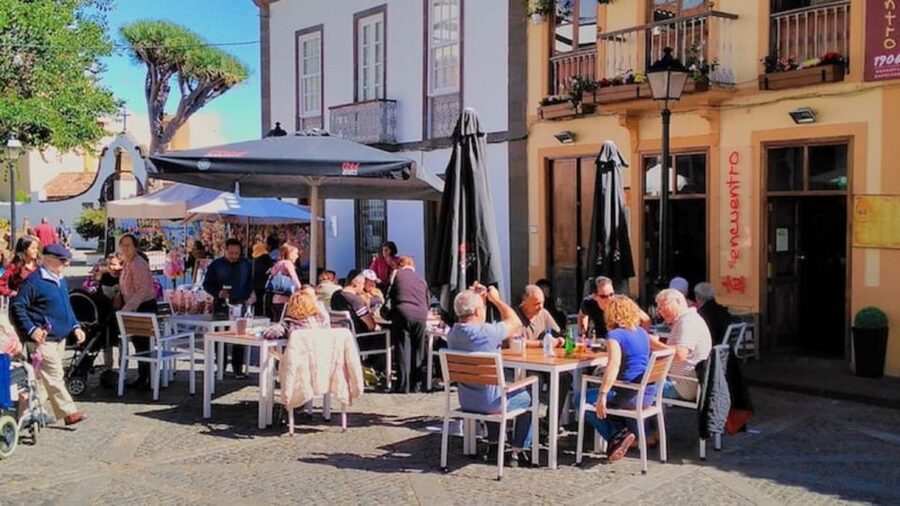
Teror is known for the Basilica of Our Lady of the Pine and its elegant Canarian-style manor houses. The basilica gives the town a clear focal point, while the older homes offer a different kind of interest: details of local architecture and a more intimate sense of village life.
Time here may be limited. One visitor wished for a longer stop in Teror, even at the cost of shortening lunch, which is a helpful clue if this town is high on your list. You can enjoy a first look and take in the central sights, but don’t count on a long, leisurely browse.
Valleseco: the midlands and your lunch break
The route crosses Las Medianías, the midlands between the coast and higher mountain country. This is a fertile agricultural and livestock area, with greener surroundings as the bus climbs toward Valleseco. It’s a different Gran Canaria from the dry, sun-focused image many people arrive with.
Valleseco is where you get free time to stroll and have lunch on your own. Food and drinks are not included, so bring money and use the break to choose a meal that suits you. The supplied information does not name a restaurant or promise a specific menu, so treat any meal arrangement as your own decision rather than a fixed part of the ticket.
Lunch is practical as well as pleasant: it gives you a pause in a day that otherwise involves a lot of bus travel and several stops. Still, the schedule is tight enough that you may need to choose between lingering over a meal and spending more time exploring. If you’d rather see Teror at a slower pace, use the day’s free time thoughtfully.
Same island, a different kind of day:
- Guided tour of the Banana World
★ 5.0 · 3,431 reviews - From Puerto Rico de Gran Canaria: Dolphin Watching Cruise
★ 4.3 · 2,520 reviews - Gran Canaria: Dolphin and Whale Watching Cruise
★ 4.3 · 1,855 reviews - Gran Canaria Guided Buggy Tour
★ 4.7 · 1,743 reviews
Roque Nublo, a volcanic landmark
Roque Nublo is one of the tour’s headline sights. This volcanic rock formation has sacred significance for the island’s ancient inhabitants and is now a symbol of Gran Canaria. Its scale and setting make it a strong visual counterpoint to the towns and cultivated valleys earlier in the day.
The tour includes a stop in the Roque Nublo area, but the available details do not specify a hike or how close you’ll get to the rock. Pack comfortable shoes and be ready for a mountain environment rather than assuming this is a full walking excursion. A windbreaker is also recommended, a sensible choice for a route that climbs into higher ground.
The mountain drive is part of the attraction. One guide, Tom, has been praised for explaining the island’s geography, history, culture and politics throughout the trip. On a road journey like this, that running commentary can help you connect what you see from the windows with the places you visit.
Tunte, Fataga and the Valley of the Thousand Palms
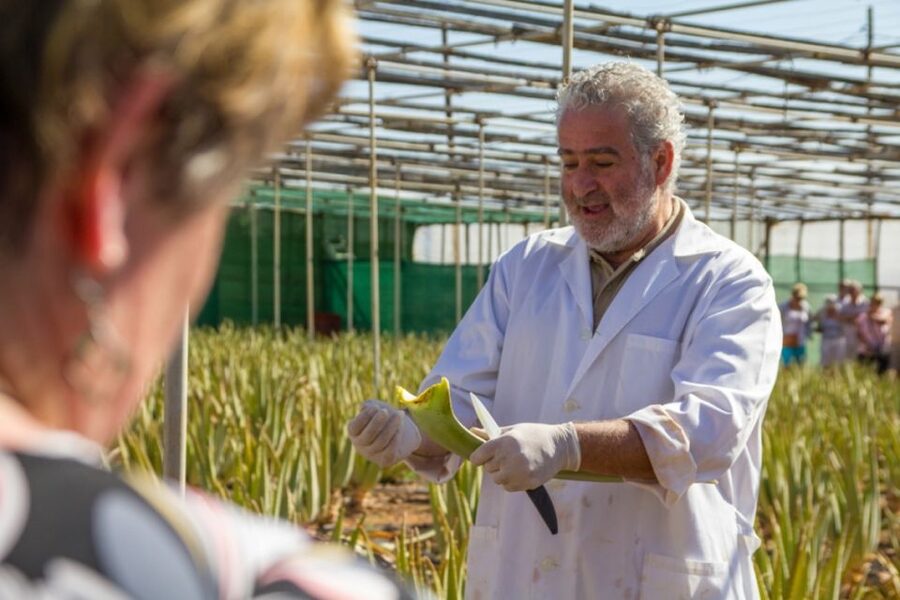
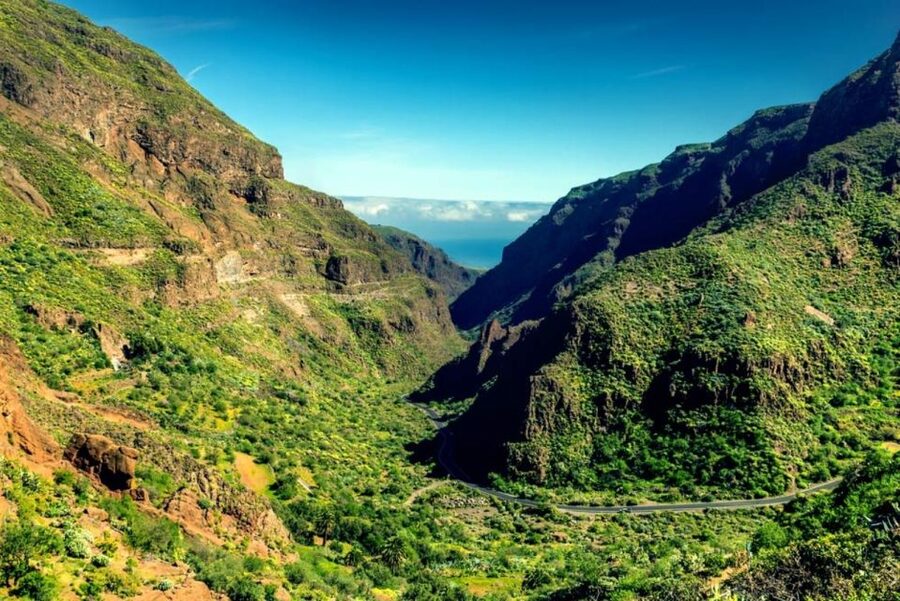
The itinerary includes Tunte as one of its stops, then returns through the canyon of Fataga, known as the Valley of the Thousand Palms. This closing stretch brings another change of scenery, with a dramatic route through a canyon that contrasts with the cooler midlands and mountain views.
The order and exact timing of these stops can vary with the day’s route, and the supplied details do not say how long you’ll have in Tunte or at each viewpoint. Think of them as part of a panoramic circuit rather than separate, extended visits. If you’re hoping to spend a full afternoon in any one place, this tour’s all-island scope may not suit you.
The aloe vera estate: an informative stop with a sales angle
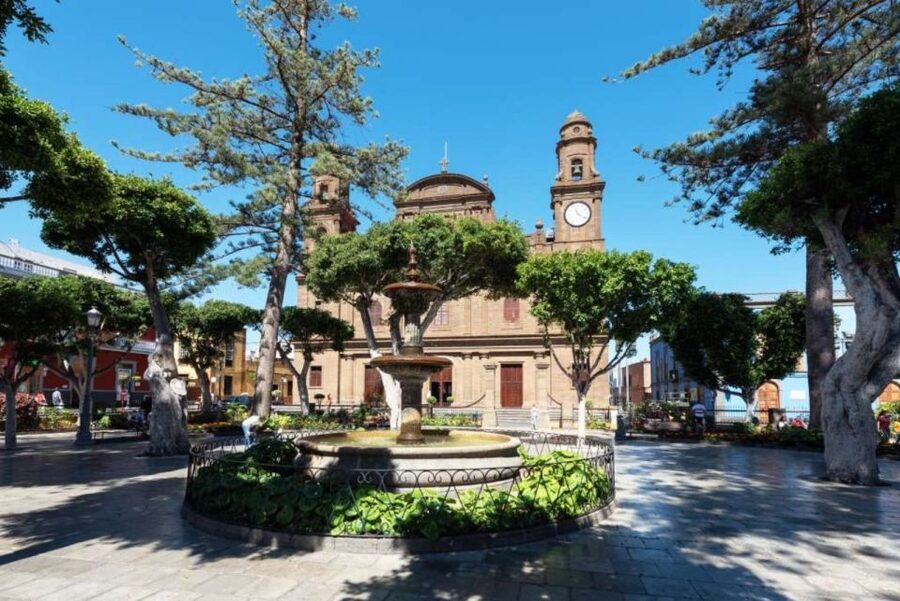
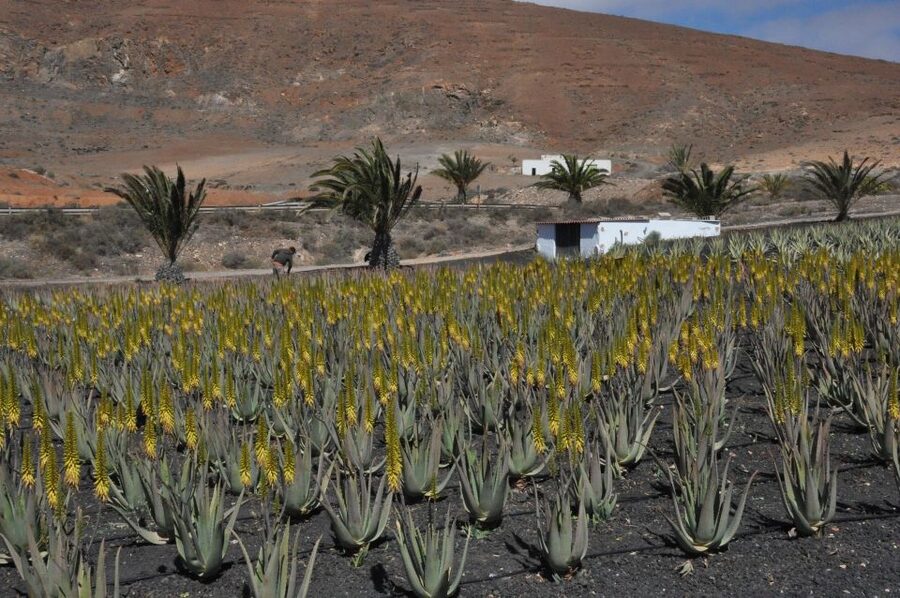
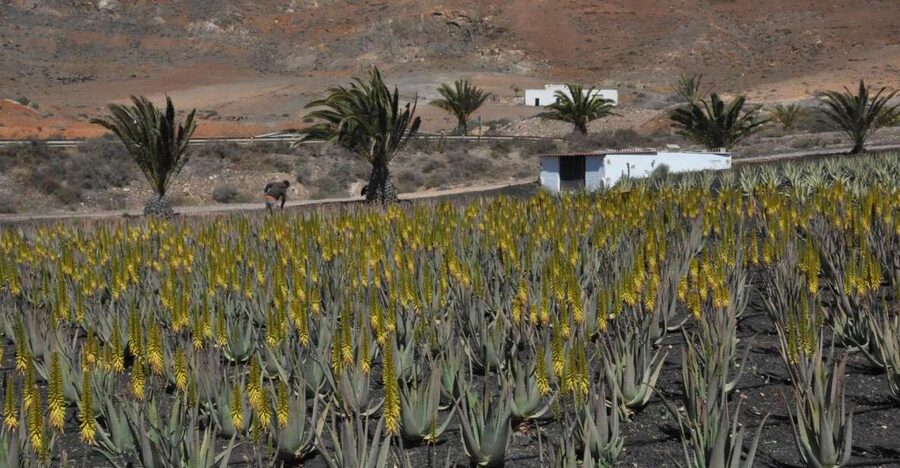
The final distinctive stop is a visit to a local aloe vera estate. You’ll hear about the plant’s uses and benefits, adding a present-day agricultural and commercial angle to a tour otherwise focused on villages, history and scenery.
There is a promotional element to be aware of. The aloe visit is included, but one account found the day had too much promotion overall. If you enjoy learning about local products, you may find the stop worthwhile; if you prefer a route with no sales-focused visits, factor this into your choice.
Guides, languages and the pace of the day
Guides are available in Spanish, English and German. Tom is a guide whose name appears in accounts of the tour, with praise for his clear knowledge and friendly manner. However, you should not assume he will lead your departure, and the information does not promise a particular guide.
A multilingual tour has an obvious advantage: it can serve people who speak different languages. But switching between languages takes time, and the experience may feel uneven if explanations are longer in one language than another. One English-speaking participant found the German-English switching confusing and felt the German commentary received more detail. If you need a particular language, confirm it when checking availability rather than relying on assumptions.
The day’s pace is the other key consideration. The route is extensive, and some departures have felt hectic, particularly later in the afternoon. One guide reportedly spoke in three languages throughout the day, a demanding job that helps explain why the tour moves briskly. You’ll get a wide-ranging introduction, not hours to linger at every stop.
Is $58 good value?
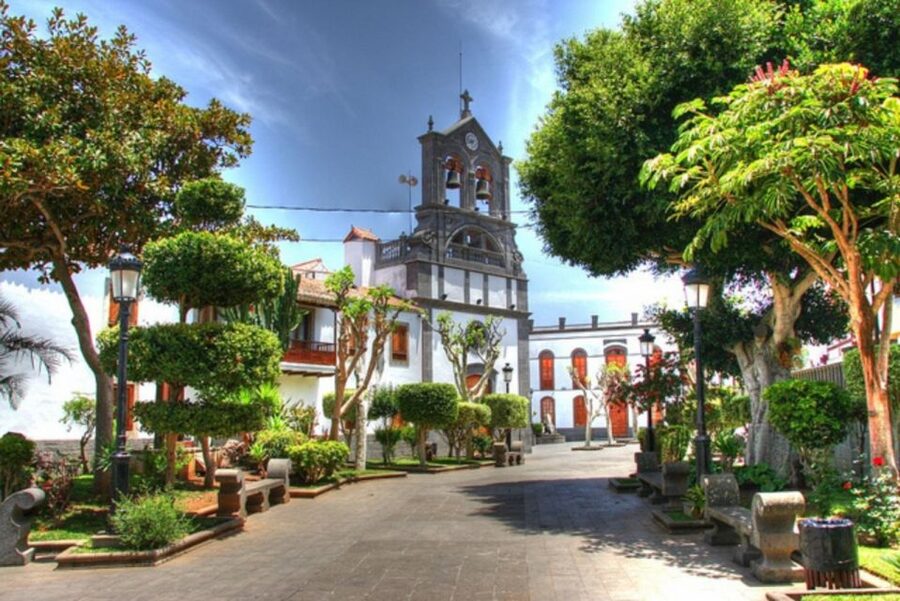
At $58 per person, the tour offers a lot of ground for the price: transport, a professional guide, several village and nature stops, the aloe estate and pickup from named southern resorts. If you have limited time and want one organized day to see the island beyond the coast, that range can make the fare worthwhile.
The value depends on what you want from each stop. You are paying for access to a broad route and a guide’s commentary, not a private vehicle or a slow-paced village visit. Lunch and drinks cost extra, and the day includes substantial time on the bus. A good meal has been available for around €13 to €15 in some departures, but lunch quality and arrangements are not guaranteed by the tour details.
The rating is 4.6 from 16 reviews, which points to a generally well-liked trip, but the concerns are worth taking seriously. Strong guiding and scenery are central strengths; long transfers, a rushed schedule and a lunch or promotional stop that does not suit everyone are the main drawbacks.
What to bring and who will enjoy this tour

Wear comfortable clothes and shoes, and bring a windbreaker. The tour moves from coastal resorts into higher terrain, so clothing that works for a warm hotel area may not be enough for the mountain portions. Since lunch and drinks are on you, bring money for the break.
I’d choose this trip if you want to understand how Gran Canaria changes from coast to interior, and you’re happy to spend a full day on a bus to see several places. It suits curious visitors who value local context, historic settlements and broad views over long, independent visits at each stop.
It may be a poor fit if you dislike extended bus journeys, need a slow pace, or want to spend most of your day walking in one town. Families or visitors with specific mobility needs should check the details directly, since the tour information does not describe walking distances or accessibility.
Should you book Gran Canaria Tour: Past and Present?
Book it if your priority is a well-rounded first look at the island. Guayadeque, Teror, the midlands, Roque Nublo and Fataga offer a useful mix of human history and changing scenery, while a local guide can tie those pieces together.
Skip it if you want a relaxed day with a long lunch and plenty of time in each village. The route is ambitious for eight hours, and pickup transfers can stretch the day. If you go, keep your evening open, bring a light jacket and treat the stops as highlights in a larger island circuit.
FAQ
How long is the tour?
The tour lasts about eight hours. Pickup and drop-off transfers across several resort areas can make the day feel longer.
What languages are available?
The live guide is available in Spanish, English and German. A particular guide, including Tom, is not guaranteed.
Which areas have pickup service?
Pickup is offered from Playa del Inglés, Maspalomas, Costa Meloneras, San Agustín, Bahía Feliz, Taurito and Puerto Mogán. Pickup details are provided 24 to 48 hours before the tour.
Is lunch included?
No. You have free time in Valleseco to explore and have lunch, but food and drinks are not included.
What places does the tour visit?
Stops and visits include Guayadeque and its cave homes, Teror, the Roque Nublo area, Tunte, Valleseco and an aloe vera estate. The route also includes views of Arucas’s banana plantations and the Fataga canyon.
What should I bring?
Bring comfortable shoes, comfortable clothes and a windbreaker. You’ll also need to pay for your own lunch and drinks.
Can I cancel for a refund?
Yes. You can cancel up to 24 hours before the tour for a full refund. The activity also offers a reserve-now, pay-later option.
Just added around Gran Canaria
- Gourmet Tapas and Wine Tour in the Old Town of Las Palmas★ 4.5 · 12 reviews
- Gastronomic Bike Tour through Las Palmas at Night★ 5.0 · 3 reviews
- Arround Gran Canaria All Highlights Private Shore Excursion★ 5.0 · 11 reviews
- Full Private Tour of Gran Canaria with Natural Pools★ 5.0 · 11 reviews
- Full day Hiking and Waterfalls Experience★ 5.0 · 38 reviews
- Fun Pack Water Sports★ 5.0 · 10 reviews
- Aerial Yoga Experience in Maspalomas, Spain★ 5.0 · 35 reviews
- e-Scooter or e-Bike Maspalomas Tour+Visit Western Town Sioux City★ 5.0 · 5 reviews
Tours in Gran Canaria, compared.


Maspalomas: Guided Camel Ride in the Maspalomas Sand Dunes
Read our review →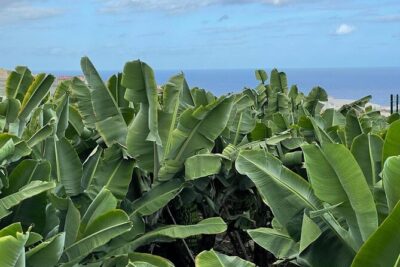
From Puerto Rico de Gran Canaria: Dolphin Watching Cruise
Read our review →

El Salobre: Horse Riding Adventure with Transfer Options
Read our review →Browse the lists this tour appears in